DÀ-HÍ Community Newsletter
January 14th, 2025
DÀ-HÍ “At This Point in Time” The Tsuut’ina Nation Newsletter This is the Tsuut’ina Nation’s Newsletter, titled DÀ-HÍ, which means “...
Learn More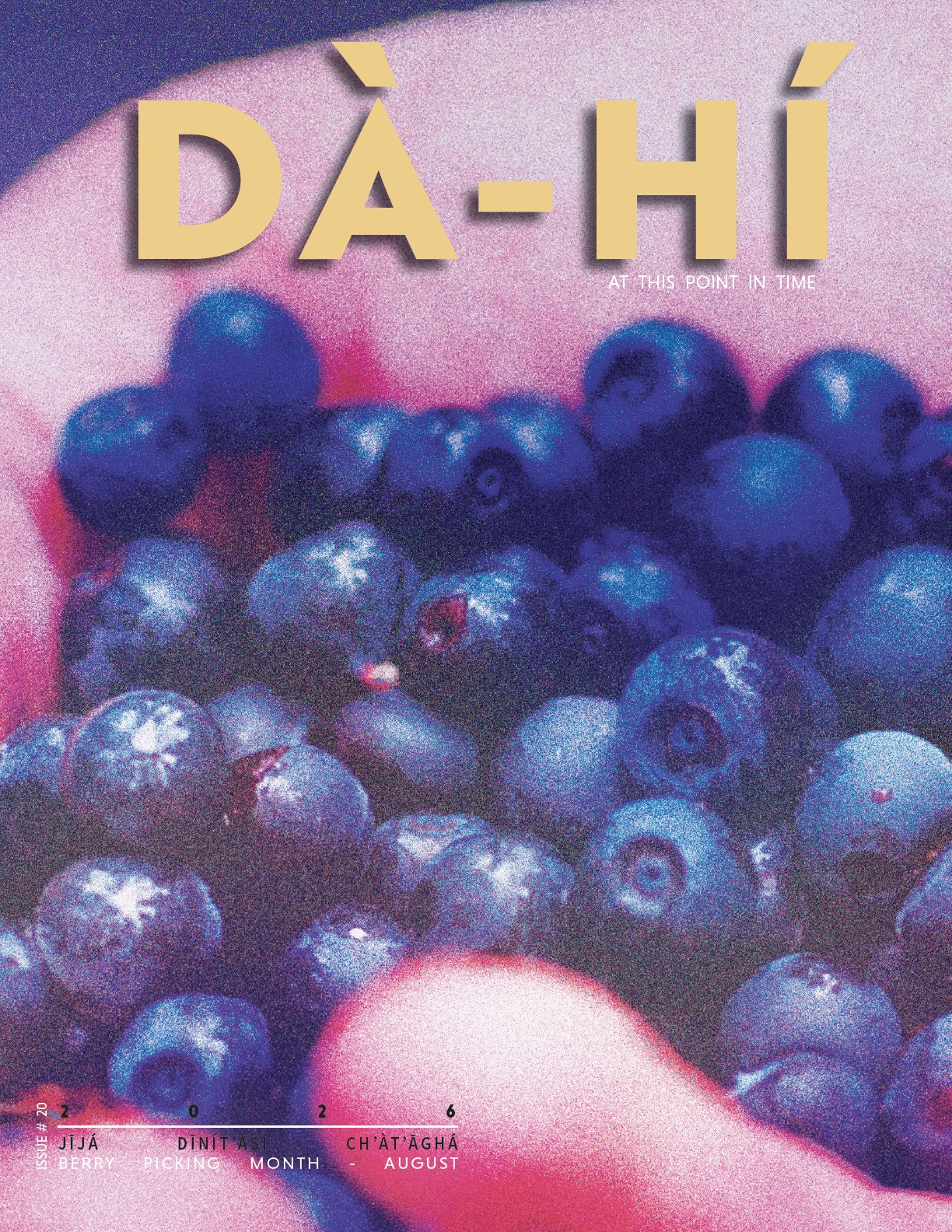

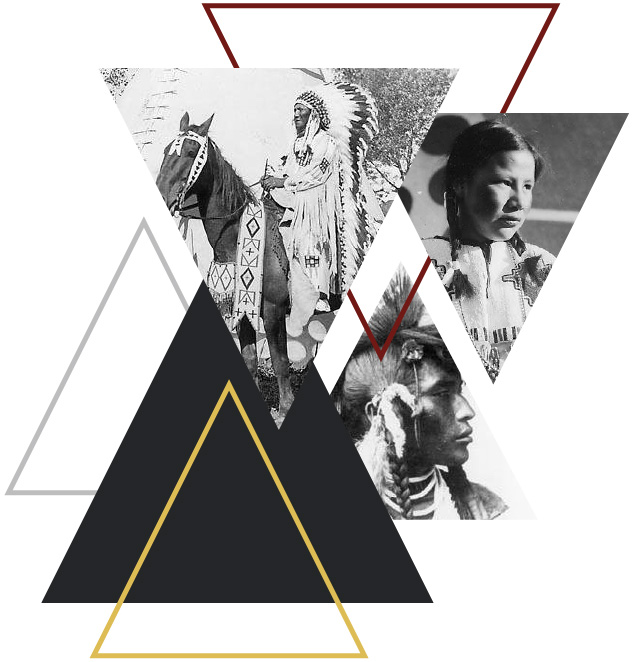
Greetings, welcome to Tsuut’ina Nation. Tsuut’ina Nation’s culture, history and language are all unique. Formerly known as the Sarcee (Sarsi), the Tsuut’ina Nation prides itself on being connected to the Dene Nation through our language (Athabaskan), culture, customs and territory. We strive to maintain our autonomy of identity, customs, traditions, territory and the self-determination of Indigenous Governance.
The Tsuut’ina Nation Citizens self-determination is recognized by entering into Treaty No. 7 by Head Chief “Chiila” Bullhead with the British Imperial Crown of Great Britain & Ireland in 1877. Today, the Tsuut’ina Nation Citizens have progressed to be a highly sufficient and economically advanced First Nation.
Current Population
Square Kilometers
Our Elders interpret “Tsuut’ina” meaning “many people” or “beaver people”. Both interpretations are correct. As sovereign people and signatory to the Peace & Friendship Treaty No. 7, the Tsuut’ina Nation never relinquished any inherent or Treaty right or responsibility.
As the only Dene-speaking group in Treaty 7 Territory, we believe in the Tsuut’ina Nation way of life where everything is interconnected and considered sacred. As original people of the land, we are only but a small piece of the sacred circle. We respect all spirits of the land and how the elements of; water, air and fire are a part of the circle we call Natural Law. Natural Law and inherent Tsúū’tínà nìníshà values must be respected in everything we do today.
We are known to be brave, benevolent, generous and clever strategists’ people. Our diverse Nation of traditional protocols, cowboys, athletes, students, leaders, visionaries and modern-day warriors speaks to our way of life. Our soul is revealed through our customs, language, culture, traditions and history. We exhibit this today through our economic ventures and Nationhood to enhance our way of life for our people and our community.
A long time ago, the Tsuut’ina were migrating in search of game. They came upon a frozen lake. It was early spring or early winter, and the ice was thin. The Chiefs of all the clans were telling the people to hurry across the lake. As they were crossing, this child started to cry for an object that was sticking out of the ice. The mother told the child that they were told to hurry to the other side of the lake. The child kept crying. The mother took pity on him and started to chop at the object. The ice started to move, and the ice began to crack. She realized it was a horn. It was the horn of the Tāstłāní (dragon). As Tāstłāní started to move more, the ice broke, and Tāstłāní burst through the ice. The people started to run away. Some fled north: the Beaver, Denesułine, Tłingits, Gwitch’in, and others who are now in the north. The others went south: the Apaches, Navajo, Hupa, Tolowa, and others who are in the south. This story is known to the Tsuut’ina and Denesułine.
The Story of Separation of the Tsuut’ina from the Northern Dene
Tsúut’ínà wúnìt’ósì diná ìsíla ásch’ágiyídátł’í k’àsì
(Tsuut’ina northern people with apart-they-all-walked that-way)
The Tsuut’ina were always in one large group.
Tłaat’á Tsúut’ínà tłàk’àzá-gù diná gilíní gúdinìshí at’a.
(All Tsuut’ina one-only people they-were there-it-was that way it-is)
They were migrating south for food
Dóní ákó wúnigà gánáł-la.
(Food for south they-were-moving-camp-it-was)
when they came upon a frozen lake.
Dàtùwà dzáginìsnó-la.
(Lake upon-they-moved-camp)
The Chiefs told everyone to hurry
Xàkújághá gúmánádàgisdin-la,
(Chiefs someonepl-of-each-and- every-one-they-hurry–it-was)
across the ice.
nóghàts’idàł-gù nìstiní k’a.
(across-each-and- every-one-someonepl-walk in-order-to ice on)
The ice was thin they said.
Nìstiní ts’imiláá giní-la.
(Ice it-is-thin they-said-it-was.)
This woman with her child on her back, was crossing.
Dìní ts’ìká diízá tayigáłí í ìsíla nóghàdìyá-la.
(This woman her-own-child packing-on-her-back him-with across-she was walking)
The baby began to cry for an object that it saw
Zaas ii áts’áda ìsà yiʔíní ákó itsiy-la,
(Baby the-one something it-must-be he-saw-it-the-one for he-is-crying)
sticking out of the ice.
nìstiní gúts’í xàyiʔoʔí.
(ice there-from out-it-is protruding)
He wanted it for a toy.
Yìsíla nàguwá-hí ákó ání-la.
(It-with he-plays for he-is demanding-it-was)
“The Chiefs are hurrying everyone across the ice,
Xàkújághá gúmánádàgisdin
(Chiefs someonepl-of-each-and- every-one-they-hurry)
across the ice,”
nóghàts’idàł-gù nìstiní k’a
(across-each-and- every-one-someonepl-walk -in-order-to ice on)
she told him repeatedly.
náyìsnìsh-la.
(again-and-again-him-she-tells-it was)
Her child kept crying for that thing that was sticking out.
Miízá ii idógháníyìtsày-la, iyí xàyiʔoʔí ákó.
(Her-child the began-to-continuously-cry-it-was that it-is-protruding-the-one for)
The women always had an axe attached to their belts.
Ts’ikúwá tsíł gidìsgosà ádàgiyístł’úní gúdinìshí at’a.
(Women axe their-belts to-it-they-attached there-it-was that way it-is)
She relented and began to chop at the object.
Yigunáhà álàg-la. Ùwat’iyi xàyiʔoʔí ii yóghá xàyiyítsíl-la.
(His-demands she-made-it-was. And-then out-it-is protruding the-one him-for it-she-chopped-it-was)
The object that was sticking out turned out to be the horn of the tastłani, a dragon.
Ách’á tástłání-tsi dà-ła, xàyiʔoʔí.
(It-so-happened dragon-the horn-it-was, out-it-is-protruding-the-one)
The tastłani broke through the ice
Tástłání-tsi nìstiní ii nàdìsk’ìsí
(dragon-the ice the it-cracked)
and the ice split.
gúzònà xàchíníyítí-la.
(there-through out-like-he-protrudes-his-head-it-was)
Many died.
Nitłó-ná ch’idiyíghón.
(Many-persons holy-like-were-killed.)
Tsúut’ínà wúnigà gidìsyiiz-la, iyí xàchíyítíní ch’ò.
The Tsuut’ina fled south away from the one that had stuck its head out
(Tsuut’ina south they-fled-it-was, that out-like-he-protrudes-his-head-the-one away-from)
and the other Dene stayed
Tłà-ná at’iyi áyít’ìn
(some-persons there-at they-were (stayed) and-then)
and went back north.
ùwat’iyi wúnìt’ósì nágidìsdál.
(north again-they-all-went)
The Beaver Bundle always moved ahead by dog travois
Túwúł tłích’á áyítł’ú-gù guzida yináłí gúdinìshí at’a
(Beaver-bundle dog onto-it-is-tied-in-that-way someone-before it-is-moving-camp there-it-was-that-way it-is)
when we migrated.
yaànáłí it’iyi.
(we-are-moving-camp at-that-time)
That is why we still have the Beaver Bundle.
át’íyí dósa at’a ák’ó nihigò, ít’íyí Túwúł.
(that because-of it-is yet us-beside, that-one Beaver-bundle)
The lake they were crossing is Buffalo Lake north of Edmonton.
Át’íyí dàtùwà Xaní-tii Guk’a Sidó-di Násʔághà Chu wúnìt’ósì k’àsì.
(There-at lake Buffalo There-on It-is-Written House Big northerly)
The Tsuut’ina moved here forever.
Doot’iyi Tsúut’ínà tłàsgúlà nàginíno.
(Right-here Tsuut’ina forever they-arrived-moving-camp)
And they moved among the Americans over there.
Ùwat’iyi nuwì Más Nitł’úl-ná diná to giníno.
(And-then over-there Knives It-is-Long-the-ones people among they-moved-camp)
A further story to the separation is that,
Át’íyí guniizh ogha nádìsʔo ásch’ágiyídátł’í
(That-one story it-at again-it-is-attached apart-they-all-walked)
if you are in the vicinity of the lake
Át’íyí dàtùwà ts’ísdinaa áts’it’íní it’iyi,
(There-at lake next-to there-someone-is-there)
near the time of the breaking of the ice,
át’íyí dàtùwà nìstiní ii nàdìsk’ìsí oghanááts’idí it’iyi,
(there-at lake ice the it-has-cracked there-it falls (time) then)
you can still hear the people who fell into the water crying to this day
dáʔi dzinisí diná tóghayits’idí ák’ó itsiyí ts’idìch’ísh,
(now day people water-at-they-fell-the-one yet he/she/it-is-crying someone-it hears)
at sunset.
ch’át’ághá tł’oghadìts’ídí gugha.
(sun away-it-falls at-that-time).
(As told by Bruce Starlight, revised by the Language & Culture Committee on July 3, 2024)
This is one account of the Tsuut’ina separation story that has been passed down throughout the generations. Tsuut’ina Nation oral history varies from family to family, and the Nation acknowledges and respects the variations. All perspectives for historical interpretation are welcome, respected and anticipated to be shared.
Breaking News, Interesting events and Announcements for the nation. All right here.
DÀ-HÍ “At This Point in Time” The Tsuut’ina Nation Newsletter This is the Tsuut’ina Nation’s Newsletter, titled DÀ-HÍ, which means “...
Learn More
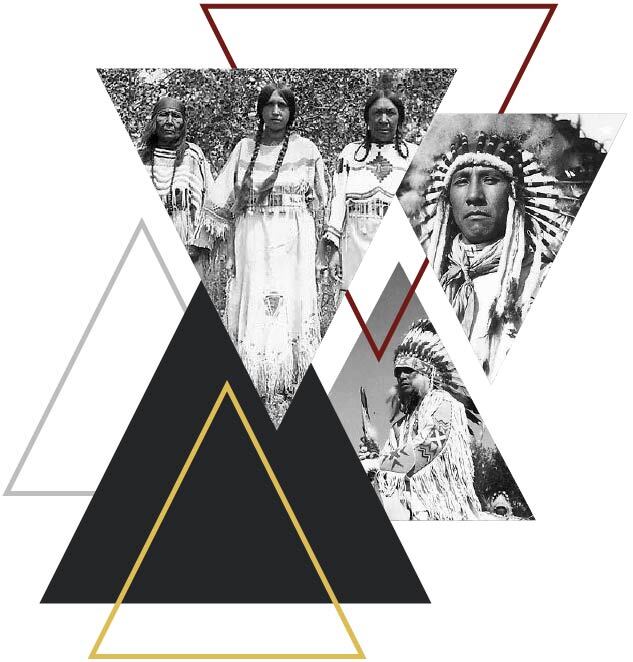
Learn more about out nation administration and get to know our Xàkújághá “Head Chief & Minor Chiefs”